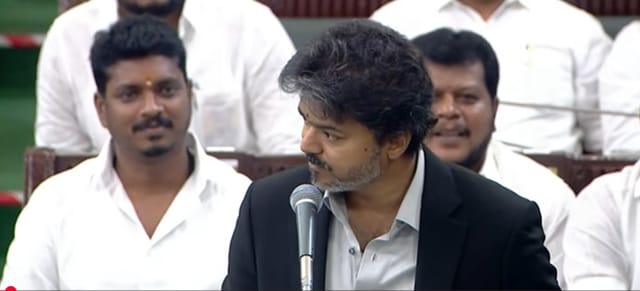
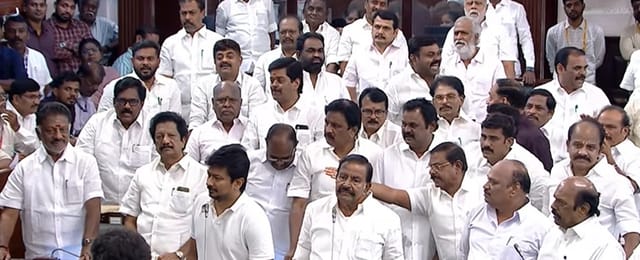
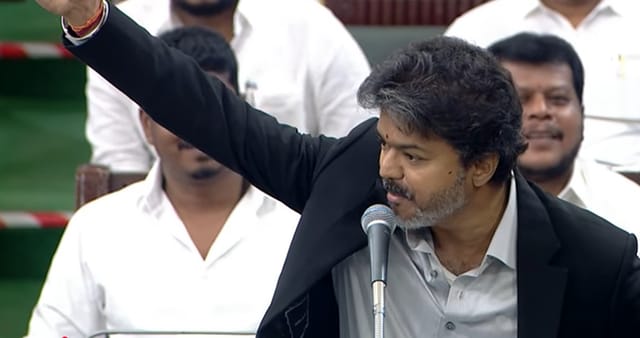
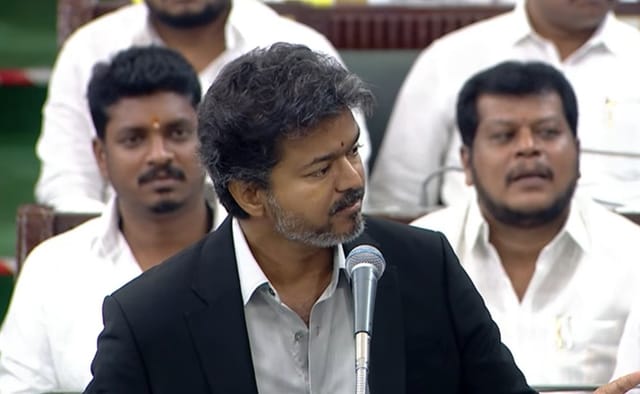
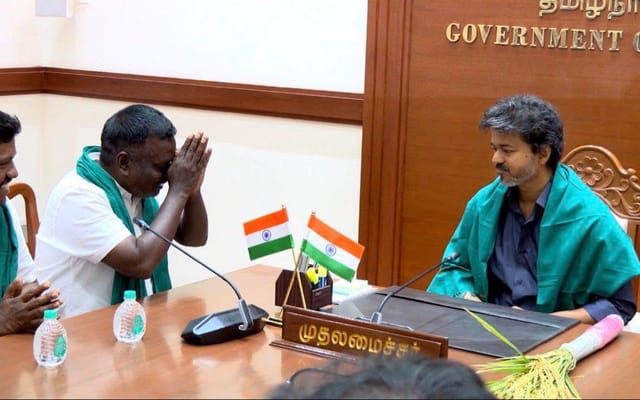
On taking office in 2026, Chief Minister C. Joseph Vijay made a historic statement in the Tamil Nadu Assembly that marks a departure from political vendetta-based governance. His declaration was unprecedented in the state's political history.
A Historic Statement
"It doesn't matter which government started the scheme. If it helps people, it continues."
These words encapsulate a governance philosophy centered on people's welfare rather than political affiliation. This represents a fundamental shift in how welfare policies are approached in Tamil Nadu.
Schemes Continuing Under TVK Government
Following this principle, the TVK government has committed to continuing important women-centric welfare programs:
Kalaignar Magalir Urimai Thogai (₹1,000) - This monthly assistance for women continues, recognizing its value to beneficiaries regardless of which administration initiated it.
Pudhumaipenn Scheme - The women's welfare program continues uninterrupted, providing ongoing support to the target beneficiaries.
The Philosophy Behind the Decision
This approach distinguishes between two governance models:
Petty Politics: Discontinuing effective schemes solely because the opposition party implemented them, driven by political vendetta rather than public interest.
People's Governance: Evaluating schemes based on their effectiveness and impact on citizens, maintaining those that serve genuine needs.
Why This Matters
When welfare schemes are discontinued for political reasons rather than performance issues, vulnerable families lose critical support systems overnight. The new approach acknowledges that:
- Effective governance transcends party lines
- Public welfare cannot be weaponized for political gain
- Programs serving real needs should continue regardless of origin
- People's well-being is the ultimate measure of good governance
TVK's Commitment
By continuing proven welfare schemes, the TVK government signals a commitment to consistent, uninterrupted public service delivery. This approach builds institutional trust and ensures vulnerable populations maintain their safety nets.